A useful Helldivers 2 loadout covers complementary jobs: ordinary encounters, a difficult target, the objective area and the squad’s ability to keep moving. Start with the mission and the equipment you own, then choose tools whose roles you can explain.
Separate the equipment slots before comparing names
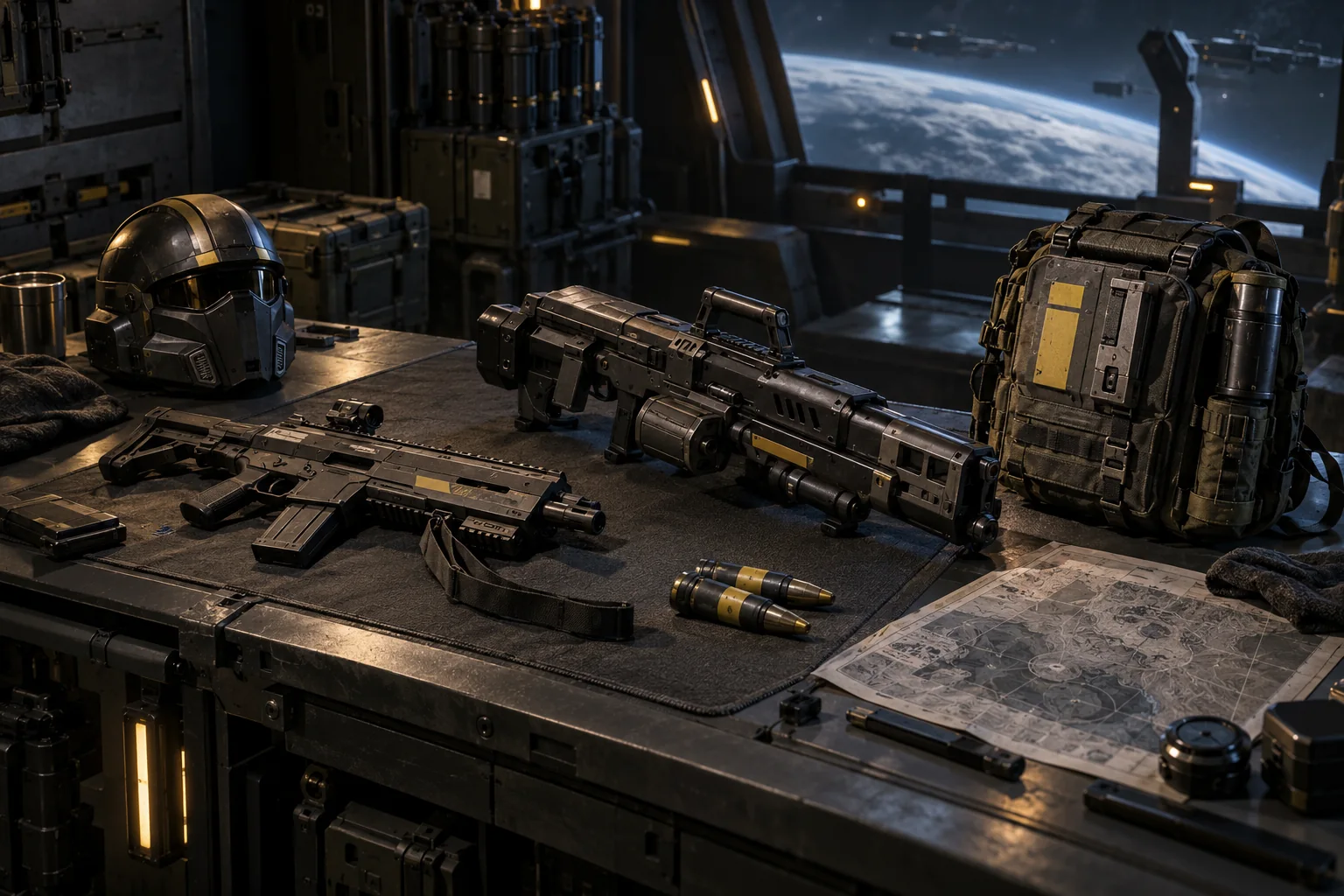
A primary weapon, secondary, throwable, armor passive, booster and stratagem are different categories. A guide that puts a grenade in a stratagem slot is not describing a usable build. Check each category on the current loadout screen, including any item-specific requirements, before following a suggested combination.
| Part of the setup | What to compare |
|---|---|
| Primary and secondary | The encounters you expect and whether the two tools offer a useful alternative. |
| Throwable | Its intended job and how it interacts with your normal equipment. |
| Armor | The movement and passive tradeoff you are choosing. |
| Stratagem equipment | Which squad task it adds and where it can be deployed. |
| Booster | A separate selection whose effect should not be mistaken for another stratagem. |
Three named combinations to reason about
The following are editorial role examples, not tested full builds or current damage rankings. They illustrate tradeoffs using equipment described in official announcements. Confirm availability and the rest of your slots in-game.
| Example role | Named equipment to inspect | Complement rather than duplicate |
|---|---|---|
| Vehicle-focused support | EXO-51 Lumberer: anti-tank cannon and flamethrower. | Ask what you will do outside the vehicle and what another teammate already covers. |
| Area support | A/GM-17 Gas Mortar Sentry: automated gas-shell fire. | Plan teammate routes and avoid assigning every tool to the same fixed area. |
| Mixed primary tasks | AR-11 Arbitrator: assault-rifle fire with an underslung shotgun. | Look at whether the extra close-range option changes what you need from another slot. |
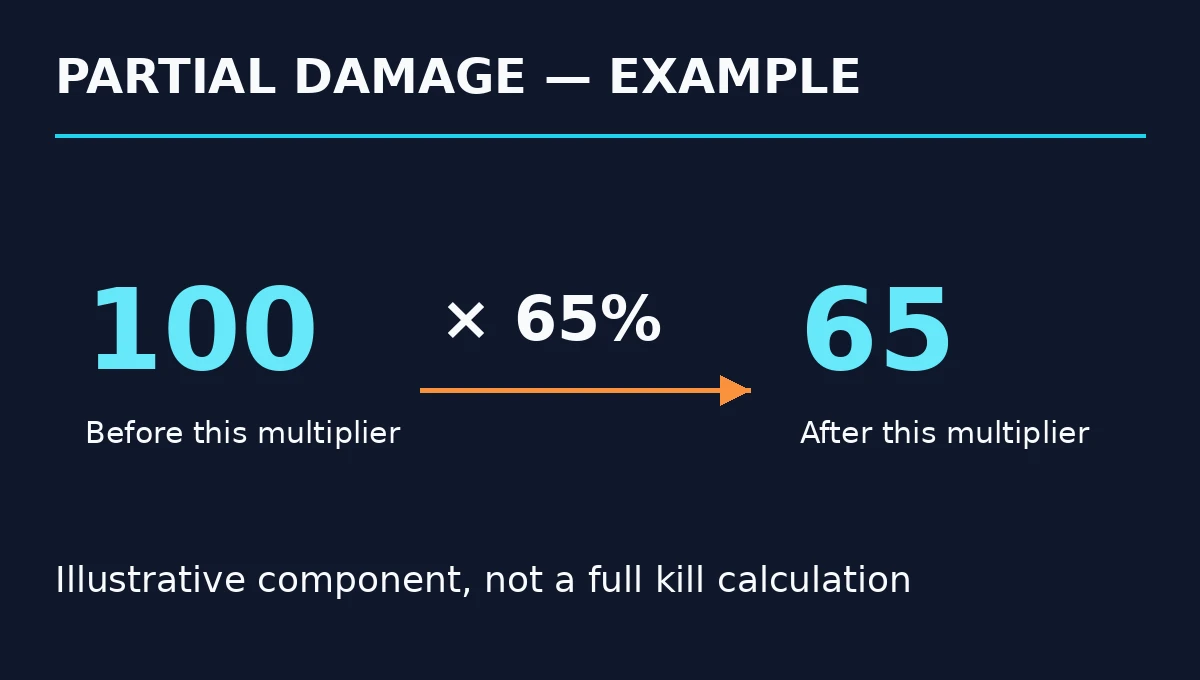
Sources: Exo Experts, Entrenched Division and Ironclad Democracy. A named capability does not establish how many hits it takes against every enemy. That depends on the current weapon, target, hit location and patch context; use the armor-penetration guide before drawing conclusions from an old damage chart.
Choose the mission context
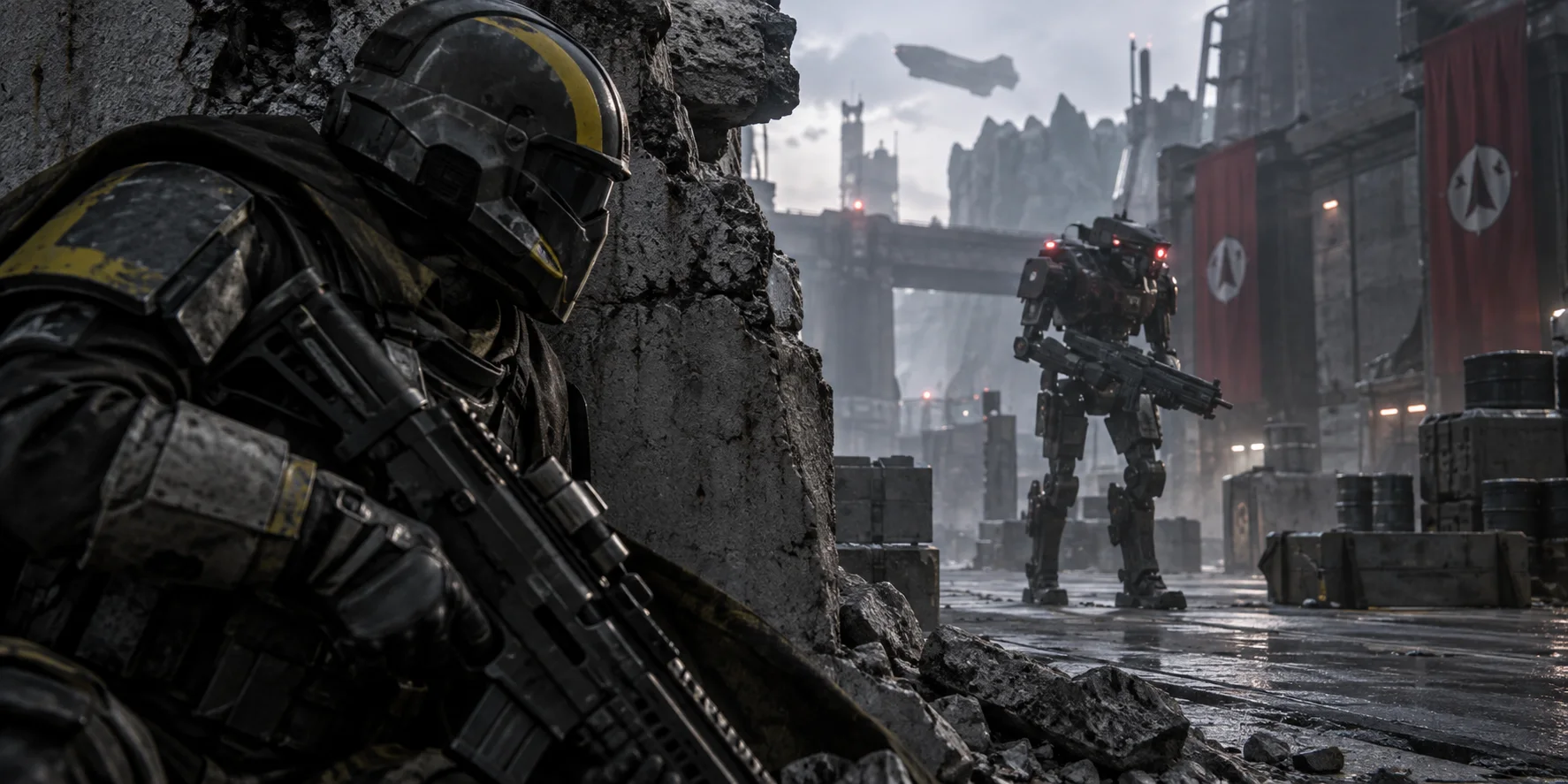
For Terminid missions, start with movement and threat coverage. For Automaton missions, use range, task coverage and alternatives. These are separate planning contexts, not reasons to assign a permanent universal best weapon to each faction.
Also account for the specific objective. If someone needs time to interact, the team’s support choices must leave that person a usable area. If a task involves collecting and returning something, equipment chosen only for clearing an area may not solve the return problem. Consider the whole task before calling the setup successful.
Run a coverage check with the squad
- Name the mission’s likely difficult task.
- Assign a preferred response and an alternative if it is unavailable.
- Check whether ordinary encounters are covered without spending every limited tool.
- Explain where area support will be placed and where teammates will move.
- Confirm the chosen equipment is available to each player before dropping.
For a hypothetical squad whose main difficulty is protecting an interaction, switching every player to another target-focused weapon can leave the same problem unresolved. Instead, preserve the existing target response and change the part of the setup responsible for that interaction area. Review the next attempt for that specific change.
When an unlock changes the plan
Do not buy a whole catalogue solely because a screenshot includes one attractive tool. Compare its opening and item-access costs in the Warbond guide, and your available balance in the Super Credit guide. You can build around owned equipment while gathering resources for a later option.
Record what changed between attempts
Keep a short note with the game version, mission type, equipment change and the problem it was intended to solve. Record whether that problem improved, not just whether the mission ended successfully. Success after changing four tools does not show which change helped. This small habit makes your own loadout decisions more useful than copying an undated list.
Sources and review scope
Source review: 11 October 2026. This independent guide combines the linked official information with editorial examples. Check your current in-game descriptions for changed costs, prerequisites and balance values.